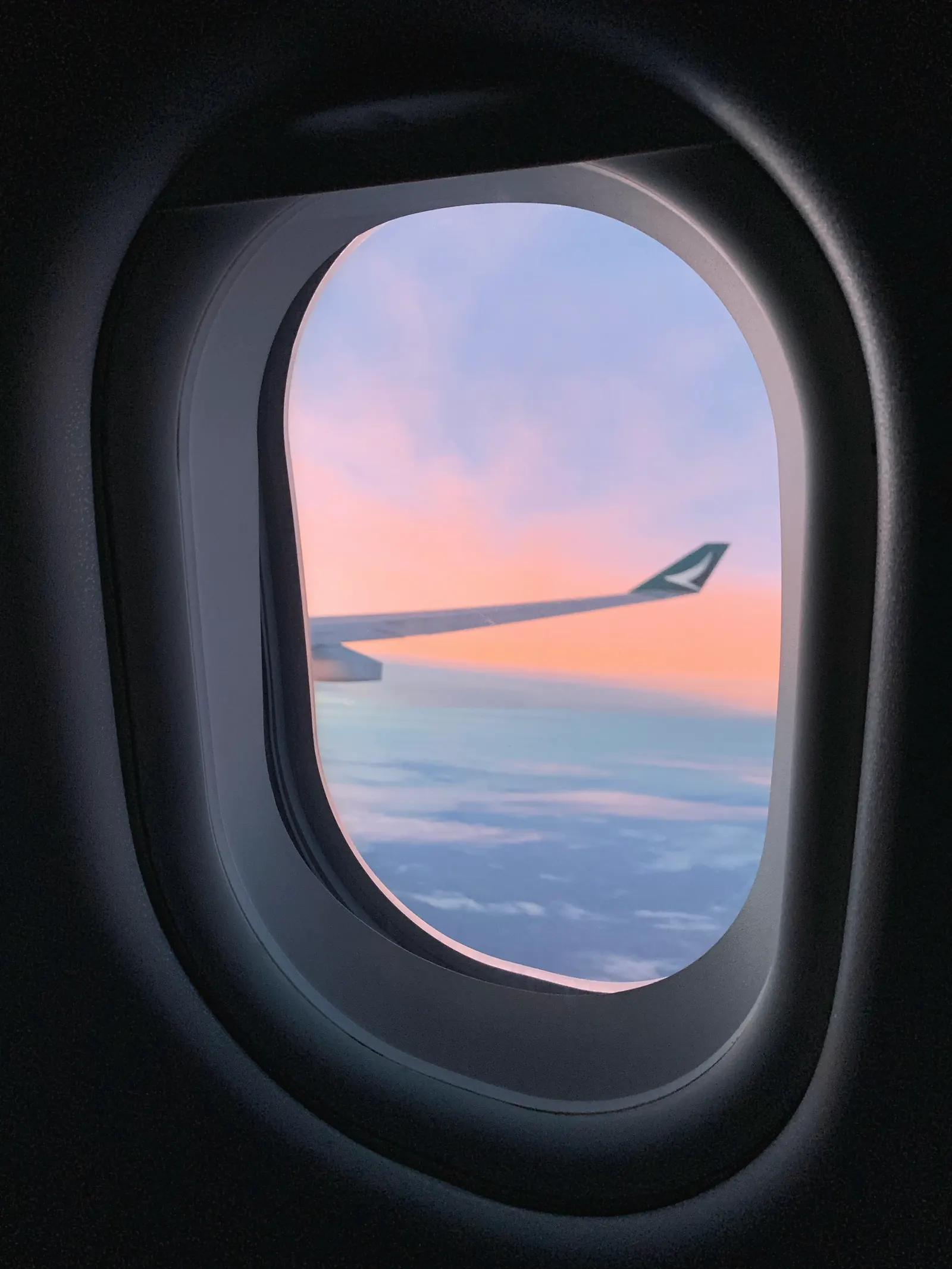


Cabin bags tend to grow. A spare jumper, a second charger, three books, snacks for a day that will include two meals. By the time you reach the gate, the bag that was meant to make the journey easier has become something to carry. A little editing helps.
The seven worth keeping
1. Documents, in one place. Passport, tickets, accommodation details and any paperwork for the trip, in a single folder or pouch you can reach without unpacking.
2. Any medication you take, in its original packaging, with enough for a delay. Keep it with you rather than in the hold.
3. A layer. Cabins swing between warm and cold. A soft jumper or large scarf covers both and doubles as a pillow.
4. Sleep kit. Eye mask, earplugs or headphones. They weigh nothing and change a long flight.
5. Water bottle, empty through security and filled afterwards.
6. One charger and cable that suit everything you carry, plus a small power bank if your devices need it.
7. A change of essentials. Fresh underwear, a T-shirt and a toothbrush, in case your hold bag arrives a day after you do.
Pack for the journey, not for the trip.
What can usually stay behind
Most things that feel essential at home are easy to find on arrival or simply unnecessary on board: full-size toiletries, several books when one will do, a laptop you do not intend to open, and food for more meals than the flight includes. Check your airline’s rules on liquids and cabin bag size before you pack; they vary.
The test
Before leaving, lift the bag with one hand and walk across the room. If it is an effort now, it will be harder after a long day. Take one thing out. Then take out one more.
Read next: how to arrive rested after a long flight and a first-timer’s guide to travelling abroad for treatment.