
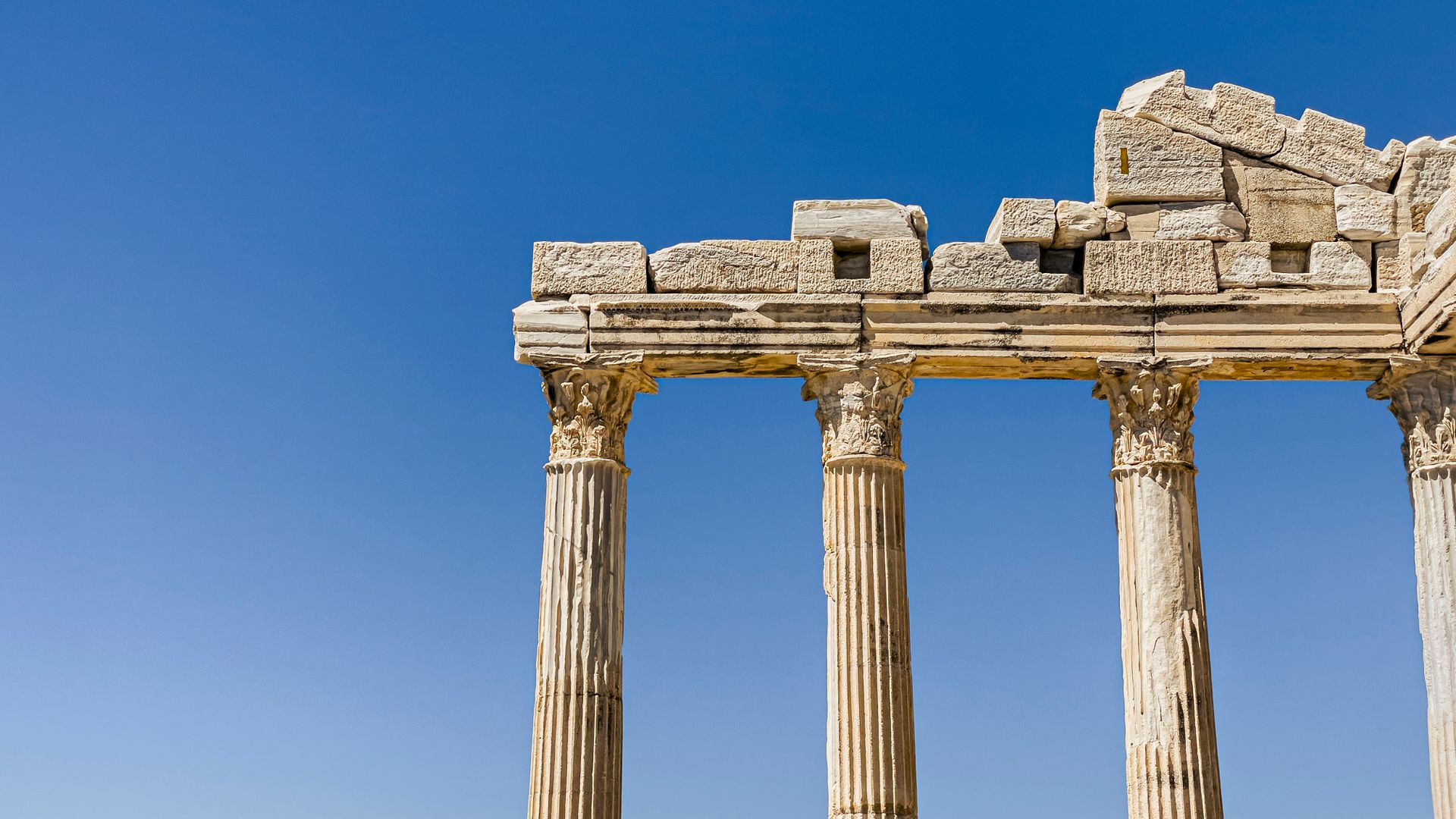
Travelling for your health is often described as a modern idea, a product of cheap flights and the internet. In truth it is one of the oldest reasons people have left home. Long before passports, travellers set out in search of rest, water, quiet and care, and the places they went still shape how we think about time away.
Ancient sanctuaries of healing
In ancient Greece, people journeyed to sanctuaries dedicated to Asclepius, the god of healing. The best known, at Epidaurus, drew visitors from across the Greek world. Pilgrims bathed, rested and slept within the sanctuary grounds, and many sanctuaries also had theatres, walks and gardens. Recovery was understood as something that needed a calm place as much as anything else.
The Roman bath
The Romans built bathhouses wherever they settled, and many grew up around natural hot springs. Baths were places to wash, exercise, talk and rest, a daily ritual rather than an occasional treat. Some of those springs are still in use today, under towns that took their names from the water.
The idea that a change of place can help us recover is older than any modern clinic.
The spa towns of Europe
Centuries later, spa towns flourished across Europe. Places such as Bath in England and Baden-Baden in Germany became destinations for those seeking the waters and a slower pace. Visitors stayed for weeks, followed daily routines of bathing and walking, and treated the journey itself as part of the cure. Grand hotels, promenades and reading rooms grew up to serve them.
What travellers wanted then, and now
Across all these periods, the same few things recur: a journey that removes you from everyday demands, a place built around rest, people whose job is to look after you, and time. Those needs have not changed much. What has changed is how far people can travel, and how much of the journey can be arranged in advance.
Travelling for care today
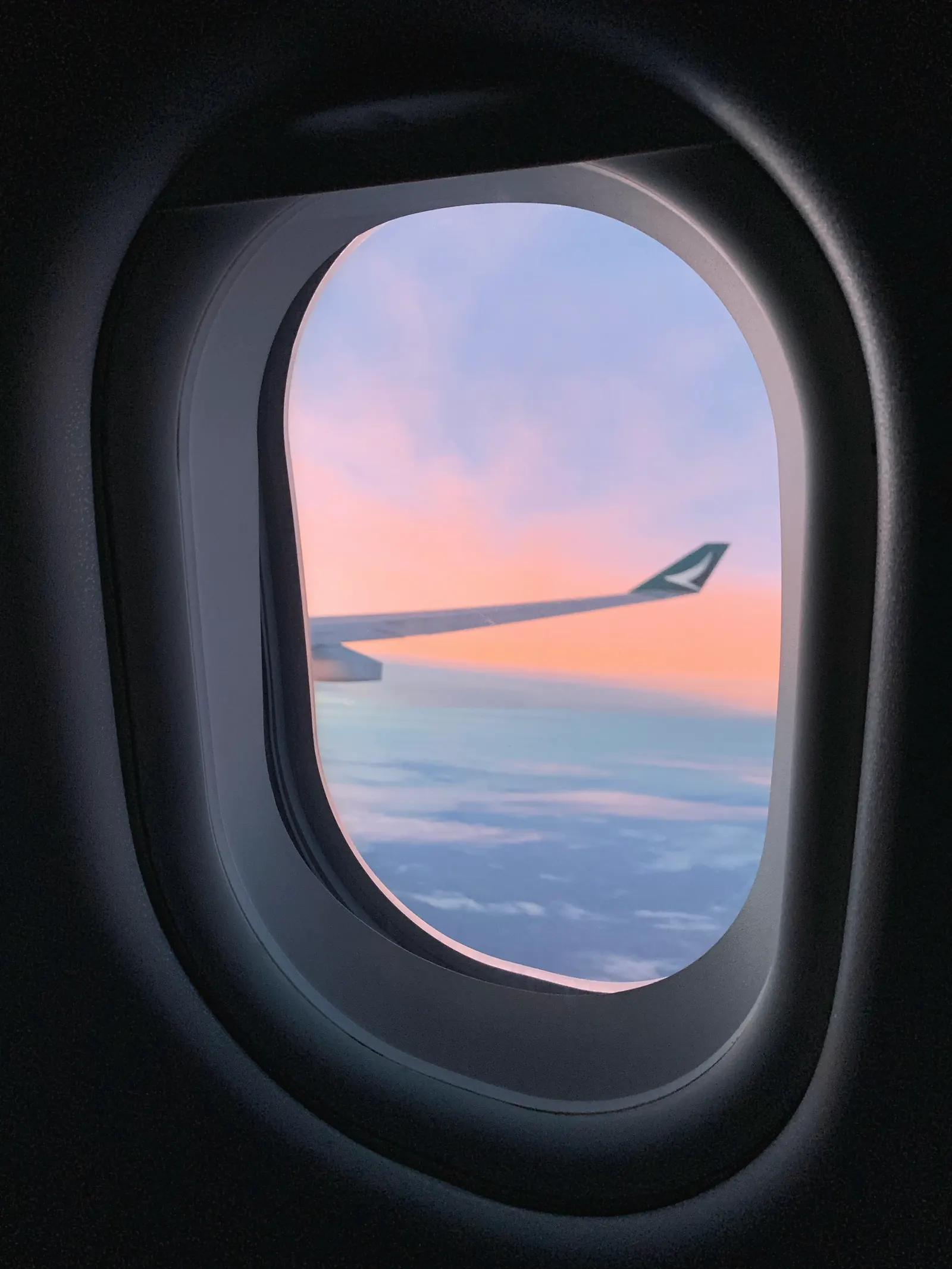
Today, people travel for many reasons connected to health and wellbeing, from a quiet week at a spa to planned treatment abroad. The logistics have become more complex, but the essentials are familiar: a restful place to stay, a journey that does not exhaust you, and someone to handle the arrangements so you can focus on yourself. You can read more about the comforts that matter in what makes a room restful and in our look at bathing cultures around the world.
A long tradition
Seen this way, a modern trip taken for health is part of a very long tradition. The roads, ships and aeroplanes have changed. The hope behind the journey, to return home rested and cared for, has stayed remarkably the same.