
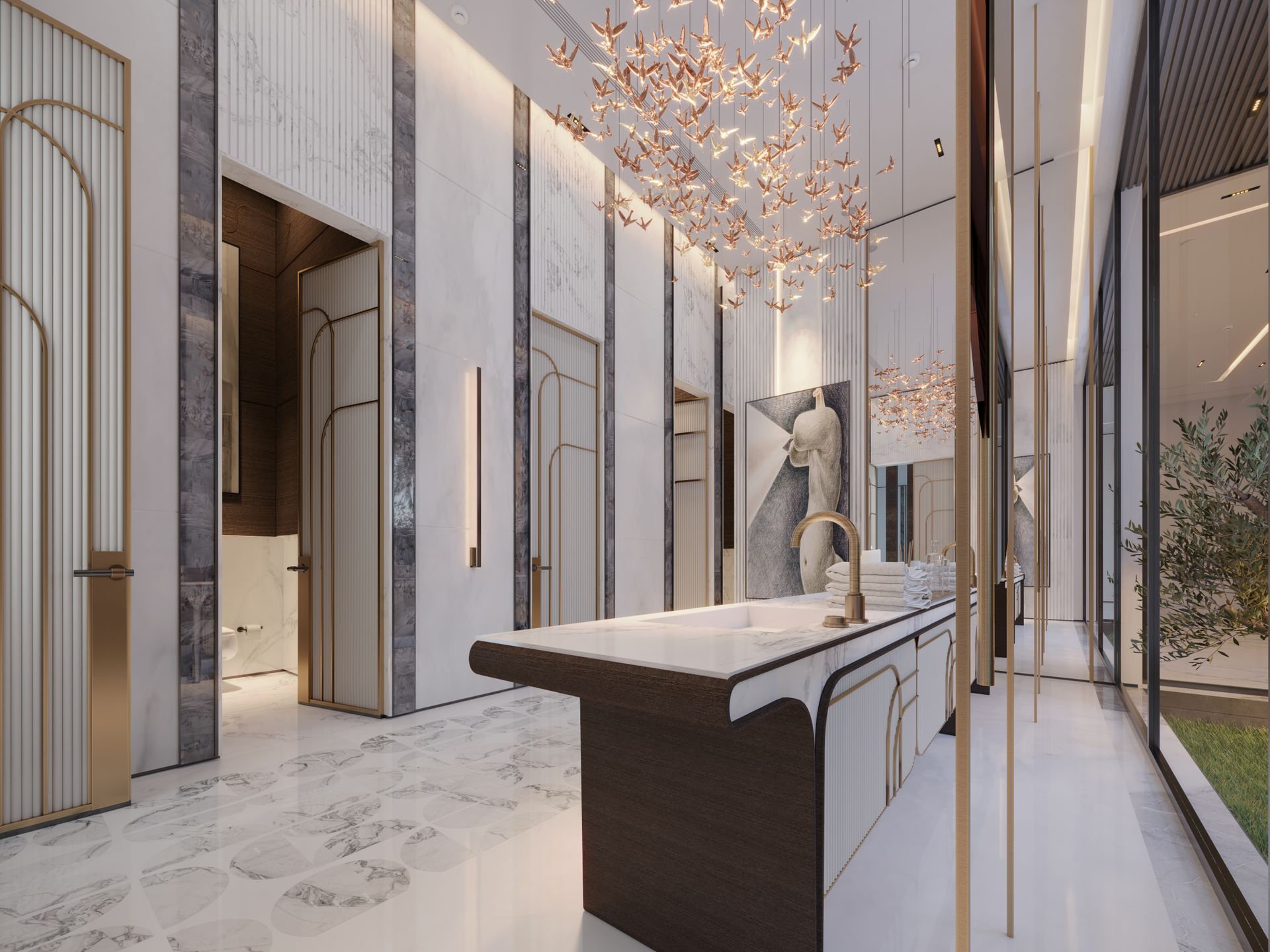
In many parts of the world, bathing has never been only about getting clean. It has been a social ritual, a place to talk, a weekly pause, a way to mark the end of hard work. Travelling with an eye for these traditions is one of the gentler ways to understand a place.
Steam
Steam bathing appears in many cultures under different names. The pattern is often similar: a warm room, then a hotter one, time spent sitting quietly, and a slow return to cooler air. The hammam, with its marble benches and domed ceilings pierced by small skylights, is perhaps the most beautiful version of the idea.
Heat, then cold
In northern countries, the sauna is part of ordinary life, often followed by a cold shower, a lake or, in winter, the snow. The rhythm of heat and cold is as much a social habit as anything else; conversations happen on the bench, and silence is equally welcome.
A bath is the oldest way of telling the day that it is over.
Hot springs
Where the ground provides warm water, people have built around it. Outdoor pools with mountain views, small wooden bathhouses, towns that grew up around a single spring. Bathing etiquette is often precise: wash first, enter quietly, keep towels out of the water.
The long bath
Sometimes the ritual is simply a deep tub, a closed door and an hour with nowhere to be. Many hotels now design their bathrooms around this, with baths placed by windows and good light to read by.
Going as a guest
If you visit a bathhouse while travelling, take a moment to learn the customs first: what to wear, where to wash, how long people usually stay. Ask the hotel or the attendants; they are usually glad to explain. If you have any health concerns about heat or cold, check with your own doctor before you go.
Why it lasts
These traditions survive because they offer something modern life rarely does: an hour that is entirely about slowing down. That is reason enough to seek them out.
Read next: a short history of travelling for health and the art of the slow morning.